You’ve all probably taken antibiotics in the past for various infections and ailments. They are seen as a “cure all” for common bacterial pathogens, and the diseases that they cause. For example, if you have ever had strep throat (caused by Streptococcus pyogenes) or went to the doctor with an earache caused by Streptococcus pneumoniae, you were probably prescribed a few rounds of antibiotics. For the most part, both broad and narrow spectrum antibiotics are extremely effective treatments for bacterial infections. However, when antibiotics fail to treat bacterial infections, it is often due to Antibiotic Resistance.
Antibiotic resistance develops in strains of bacteria which survive treatments, or receive genes that allow them to fight off antibiotics (through a process called Horizontal Gene Transfer, of HGT) This can be particularly scary, as bacteria which develop these characteristics can be particularly deadly. According to the CDC, just in the United States alone, at least 35,000 people die each year from antibiotic resistant infections; this number only continues to rise as antibacterial misuse and overprescription lead to stronger and stronger pathogens, which are colloquially called “Super Bugs.”
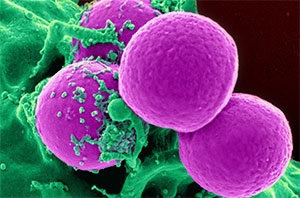
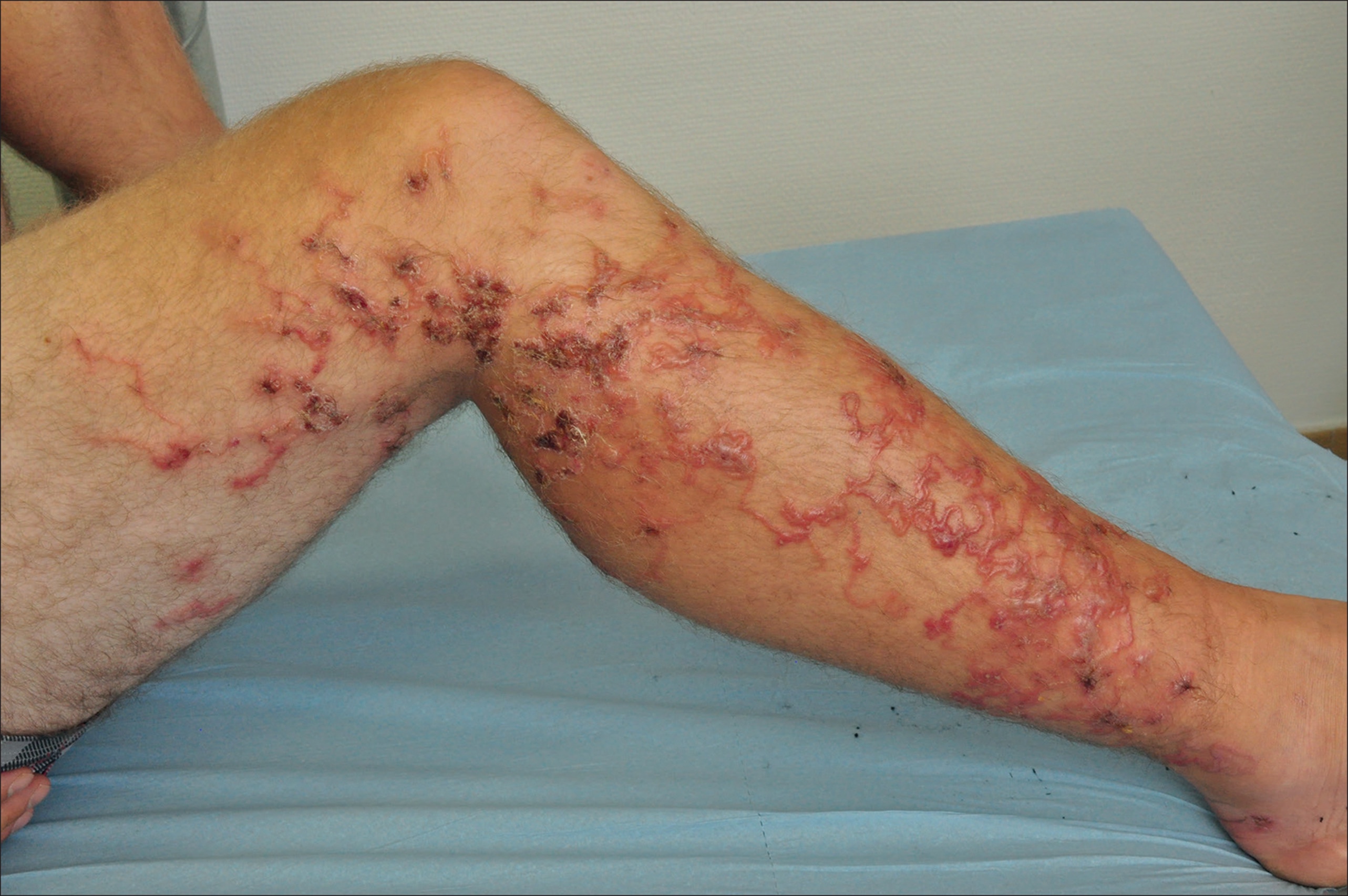
A well-known example of a deadly super bug in the United States is the infamous Methicillin-Resistant Staphylococcus aureus, or MRSA for short. It is believed that MRSA developed because people who were prescribed antibiotics in order to treat Staph infections, would not follow through in taking all of the doses prescribed by the doctor due to subsiding symptoms, thus allowing only the more resistant strains of S. aureus to survive. I recently came across another blog which explains the implications of this pathogen fairly well: a Harvard Health Publishing blog called “MRSA: The not-so-famous superbug.” In this blog, the author, Michaela Kane, describes how MRSA affects the general population, causing nasty symptoms such as abscesses and impetigo. I recommend reading this article, as it contains lots of information on MRSA as it relates to microbial resistance, and awareness of its importance.
Another blog I came across was from the European Food Safety Authority, or EFSA, which gives an overview of how dangerous pathogens such as species of Salmonella and Campylobacter continue to show more and more resistance. The blog was primarily informative in nature, describing increases in resistance to tetracyclines and other antibiotics such as β-lactams. I recommend checking this blog out, specifically because it highlights the increase in resistance in both humans and animals, which brings me to a discussion of overuse of antibiotics in animals. (I recommend reading this one to get some data on human-animal crossover of resistant pathogens.)
In agricultural companies involving Concentrated Animal Feeding Operations (CAFOs), there is a major incentive to prophylactically give animals daily antibiotics in order to promote better general health, which increases yields for less feed. However, in doing this, companies essentially create massive selective media for super bugs to develop. Many of these pathogens carried by the animals, such as Salmonella, can be transferred over to humans through water contaminated with animal fecal matter, or undercooked meat, which have been linked lead to fatal untreatable infections in humans.

To sum up this blog, overprescription and misuse of antibiotics is a big problem in humans and animals, and it more often than not leads to the creation of super bugs, which adapt faster than we can produce antibiotics to kill them. In coming years, heavy emphasis should be placed on prolonging the effectiveness of antibiotics by preventing poor medical and agricultural practices.
 The Microblog